Emily Scott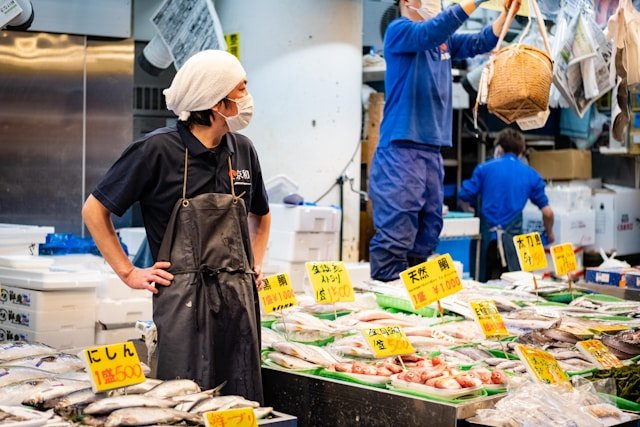
Japan’s fish markets are more than places to buy seafood. They are cultural landmarks, food capitals, and economic engines that shape the country’s culinary identity. From the world-famous tuna auctions in Tokyo to the local morning seafood stalls in Hokkaido, Japanese fish markets offer one of the freshest and most authentic food experiences in the world.
For travelers, food bloggers, and seafood lovers, exploring a Japanese fish market is one of the best ways to understand Japan’s deep connection with the sea. For businesses, chefs, and importers, these markets also reveal how Japan maintains one of the most respected seafood supply systems globally.
This guide covers everything you need to know about Japanese fish markets, including their history, how they work, what to eat, what to buy, and the best markets to visit in Japan.
What Is a Japanese Fish Market?
A Japanese fish market is a seafood trading center where fresh fish, shellfish, seaweed, and other marine products are sold daily. These markets usually serve two purposes:
- Wholesale trade for restaurants, hotels, retailers, and seafood distributors
- Retail sales for tourists, home cooks, and local shoppers
Some markets are massive wholesale hubs handling tons of seafood every morning, while others are smaller local markets focused on direct consumer sales.
Japan’s fish markets are known for:
- Extremely fresh seafood
- Precise grading and quality control
- Early morning tuna auctions
- Seasonal seafood specialties
- Traditional Japanese food culture
These markets are deeply connected to Japanese cuisine, especially sushi, sashimi, donburi, and grilled seafood dishes.
Why Japanese Fish Markets Are Famous Worldwide
Japanese fish markets are globally respected because Japan has built one of the most advanced seafood distribution systems in the world.
Several factors make them famous:
1. Exceptional Freshness
Seafood in Japan moves fast. Fish caught at sea often reaches market and restaurants within hours. This short supply chain helps preserve texture, flavor, and quality.
2. Tuna Auctions
Japan is internationally known for its bluefin tuna auctions, where premium tuna can sell for extremely high prices. These auctions are both commercial and cultural events.
3. Seafood Variety
Japanese markets offer far more than tuna and salmon. Visitors can find:
- Uni (sea urchin)
- Ikura (salmon roe)
- Hotate (scallops)
- Tako (octopus)
- Kani (crab)
- Anago (saltwater eel)
- Hamachi (yellowtail)
- Saba (mackerel)
- Aji (horse mackerel)
The variety is one of the biggest reasons Japanese seafood markets attract food lovers from around the world.
4. Culinary Reputation
Many of the world’s best sushi chefs source ideas, inspiration, and ingredients from Japan’s fish markets. The connection between market and plate is direct and highly respected.
History of Fish Markets in Japan
Japan’s fish market culture dates back centuries. Seafood has always been central to Japanese life because Japan is an island nation with strong fishing traditions.
During the Edo period (1603–1868), fish markets became essential to urban life, especially in Edo (modern Tokyo), where seafood was a daily staple.
The earliest organized seafood trade helped supply:
- Samurai households
- Merchants
- Street food vendors
- Early sushi stalls
Over time, these trading areas evolved into modern wholesale seafood markets.
One of the most important milestones in Japan’s seafood trade was the rise of Tokyo’s central fish market system, which later became globally famous through Tsukiji and Toyosu.
Tsukiji Fish Market: Japan’s Most Famous Seafood Market
When people search for “Japanese fish market,” they usually mean Tsukiji.
Tsukiji Fish Market in Tokyo was once the most famous fish market in the world. For decades, it was the heart of Japan’s seafood trade and one of Tokyo’s top attractions.
Tsukiji became famous for:
- Massive tuna auctions
- Fresh sushi breakfasts
- Narrow seafood alleys
- Street food stalls
- Knife shops and kitchen tools
Although the inner wholesale market moved to Toyosu in 2018, Tsukiji remains one of the best places in Tokyo for seafood street food and market dining.
Today, Tsukiji Outer Market is still popular for:
- Fresh sushi
- Grilled scallops
- Sea urchin bowls
- Tamagoyaki (Japanese omelet)
- Dried seafood
- Japanese knives
For tourists, Tsukiji remains one of the best Japanese fish markets to visit.
Toyosu Fish Market: The Modern Japanese Fish Market
How Toyosu Fish Market replaced Tsukiji’s wholesale operations and is now Tokyo’s main wholesale seafood market.
Toyosu is cleaner, larger, and more modern than old Tsukiji. It was designed for efficiency, hygiene, and global food safety standards.
Toyosu is known for:
- Tuna auctions
- Professional seafood wholesalers
- Viewing decks for visitors
- Modern infrastructure
- High-end sushi restaurants
Unlike Tsukiji’s older traditional atmosphere, Toyosu offers a more organized and modern experience.
If you want to see the real commercial side of Japan’s seafood industry, Toyosu is the best place to visit.
Best Japanese Fish Markets to Visit
Japan has many excellent fish markets beyond Tokyo.
1. Tsukiji Outer Market (Tokyo)
Best for street food, fresh sushi, and tourist-friendly seafood snacks.
2. Toyosu Fish Market (Tokyo)
Best for tuna auctions and seeing Japan’s modern wholesale seafood system.
3. Nijo Market (Sapporo)
Known for Hokkaido crab, sea urchin, and fresh sashimi bowls.
4. Hakodate Morning Market (Hokkaido)
Famous for live squid, seafood rice bowls, and fresh local catches.
5. Kuromon Market (Osaka)
A top seafood and street food market known for grilled scallops, crab, and sushi.
6. Karato Market (Shimonoseki)
Popular for fresh fugu (pufferfish) and weekend sushi events.
7. Omicho Market (Kanazawa)
Known for snow crab, sweet shrimp, and premium seafood from the Sea of Japan.
What to Eat at a Japanese Fish Market
One of the biggest reasons travelers visit Japanese fish markets is the food.
Popular dishes include:
Sushi and Sashimi
The most obvious and best choice. Freshness is usually exceptional.
Kaisendon
A seafood rice bowl topped with raw fish, roe, crab, and uni.
Grilled Seafood
Common options include:
- Scallops
- Crab legs
- Squid
- Oysters
Uni (Sea Urchin)
Creamy, rich, and one of the most sought-after market delicacies.
Tuna
Especially fatty tuna (otoro), which is one of Japan’s most prized seafood items.
How Japanese Fish Markets Work
Japanese fish markets run on speed, timing, and precision.
A typical market day begins before sunrise:
- Seafood arrives early morning
- Buyers inspect quality
- Auctions begin
- Wholesalers purchase stock
- Restaurants receive fresh deliveries
- Retail stalls begin serving customers
This efficient system is one reason Japanese seafood is known for world-class quality.
Best Time to Visit a Japanese Fish Market
The best time to visit depends on what you want.
- Early morning (5:00–8:00 AM): Best for auctions and freshest seafood
- Morning (8:00–11:00 AM): Best for breakfast and shopping
- Late morning to noon: Best for casual visitors and less rush
For serious food lovers, early morning is ideal.
Tips for Visiting a Japanese Fish Market
- Arrive early for the freshest seafood
- Bring cash for small vendors
- Expect crowds in famous markets
- Follow local rules and signs
- Do not block vendors or workers
- Eat at stalls with fast turnover
- Try seasonal seafood for the best flavor
Why Japanese Fish Markets Matter
Japanese fish markets are not just tourist attractions. They are living systems that connect fishermen, chefs, wholesalers, and consumers.
Why they matter because they preserve:
- Traditional seafood culture
- Regional fishing heritage
- Japanese culinary identity
- High seafood quality standards
They also support local economies and help keep centuries-old food traditions alive.
Final Thoughts
A Japanese fish market is one of the best places to experience authentic Japan. It combines food, culture, tradition, and craftsmanship in one unforgettable setting.
Whether you visit Tsukiji for street food, Toyosu for tuna auctions, or a local seafood market in Hokkaido, the experience offers far more than fresh fish. It gives a direct look into one of Japan’s most respected culinary traditions.
For travelers, it is a must-visit experience and for food lovers, it is unforgettable. For anyone interested in Japanese culture, it is one of the most authentic places in the country.