Adam
Adam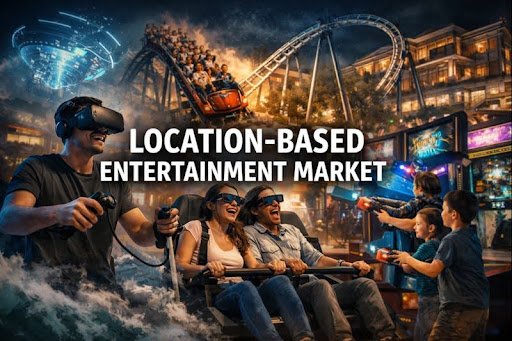
Location-based entertainment (LBE) has emerged as one of the most exciting frontiers in the global entertainment industry, blending digital innovation with real-world experiences. From immersive virtual reality arcades and interactive theme park attractions to mixed-reality museums and esports arenas, LBE offers consumers experiences that cannot be replicated at home. As audiences increasingly seek shared, immersive, and story-driven activities, LBE has become a powerful force reshaping how people engage with entertainment outside their living rooms.
At its core, location-based entertainment is about creating environments where technology and physical space converge. Unlike traditional cinemas or gaming centers, LBE venues rely on advanced hardware, real-time graphics, motion tracking, and interactive storytelling to deliver experiences that feel alive and personal. Whether it is stepping into a virtual battlefield, exploring a fantasy world, or participating in a digitally enhanced escape room, visitors are not just watching content—they are becoming part of it. This experiential element has turned LBE into a major draw for malls, entertainment districts, resorts, and tourist destinations around the world.
The leading location-based entertainment companies are distinguished by their ability to merge creativity, technology, and operational excellence. These organizations invest heavily in immersive content development, sophisticated simulation systems, and spatial design to ensure that every visitor journey feels unique and memorable. Many have also formed partnerships with movie studios, game publishers, and intellectual property owners, allowing them to bring popular franchises into physical spaces. This approach not only boosts foot traffic but also creates powerful emotional connections with audiences who want to live inside the worlds they love.
Another factor driving the success of leading LBE companies is their focus on social engagement. Modern consumers, especially younger generations, value experiences that can be shared with friends, family, and online communities. LBE venues often incorporate multiplayer gameplay, cooperative challenges, and competitive elements that encourage group participation. This social dimension turns entertainment into a communal activity, amplifying its appeal and increasing the likelihood of repeat visits.
The Location-Based Entertainment Market Size was valued at USD 4.0 Billion in 2023 and is expected to reach USD 31.1 Billion by 2032, growing at a CAGR of 25.6 % over the forecast period 2024-2032. This remarkable growth trajectory highlights how rapidly location-based entertainment is moving from a niche attraction to a mainstream entertainment pillar. Rising consumer spending on experiential leisure, combined with continuous innovation in immersive technologies, is pushing the industry into a new phase of global expansion. Shopping malls and urban centers are increasingly adopting LBE venues as anchor attractions, helping them attract footfall in an era where traditional retail alone is no longer sufficient.
The expanding market size also reflects the diversification of LBE formats. What began primarily as virtual reality arcades has evolved into a broad ecosystem that includes augmented reality exhibits, immersive theater, interactive museums, motion-based simulators, and esports lounges. This variety allows LBE companies to cater to a wide demographic, from families and tourists to hardcore gamers and corporate groups. As a result, revenue streams are becoming more stable and less dependent on any single customer segment.
Technological advancement plays a crucial role in sustaining this growth. Improvements in graphics processing, wireless connectivity, motion tracking, and wearable displays have made immersive experiences more realistic and comfortable. These innovations reduce friction for users and allow operators to design larger, more complex environments that can handle multiple participants simultaneously. As the technology becomes more refined and cost-effective, it enables companies to scale their offerings across multiple locations and regions.
Beyond technology, storytelling has become a defining feature of the most successful location-based entertainment companies. Rather than offering isolated activities, many leading players create narrative-driven experiences that unfold as visitors move through a venue. This approach transforms entertainment into a journey, where each interaction builds upon the last. Whether inspired by science fiction, fantasy, history, or pop culture, these narratives give visitors a reason to explore, return, and recommend the experience to others.
Global expansion is another hallmark of top LBE companies. With growing demand in Asia-Pacific, North America, and parts of Europe and the Middle East, operators are actively developing new venues in high-traffic urban hubs and tourist destinations. Local cultural adaptation also plays a role, as experiences are often tailored to regional preferences while maintaining the core immersive appeal. This balance between global consistency and local relevance helps brands build strong international recognition.
As digital entertainment becomes more accessible at home, the value of physical, shared experiences continues to rise. Location-based entertainment fills this gap by offering something that streaming platforms and home gaming consoles cannot fully replicate: the thrill of being inside a living, interactive world. The leading companies in this space are not just keeping pace with changing consumer expectations—they are redefining what entertainment can be when technology, creativity, and physical space come together.
In the years ahead, location-based entertainment is set to become an even more integral part of the global leisure economy. With strong market growth, continuous technological innovation, and increasing consumer appetite for immersive experiences, the industry is well positioned for a dynamic and expansive future.